

Uncategorized
Guide to Stealth Packaging That Makes Sense
May
You don’t need flashy branding on a box when the whole point is getting your order delivered without extra attention. That’s why a real guide to stealth packaging matters for online buyers who care about privacy, clean delivery, and keeping their business their business.
If you order flower, carts, edibles, concentrates, or anything else that calls for discretion, packaging is not a small detail. It’s part of the product experience. People usually focus on strain names, potency, or pricing first, but shipping is where trust gets tested. If the package looks loud, smells obvious, or arrives beat up, everything before that stops mattering.
What this guide to stealth packaging actually means
Stealth packaging is simple in theory. Your order is packed to avoid drawing attention during transit. That usually means plain outer packaging, minimal identifying details, and internal packing methods that help control odor, protect the contents, and keep the shipment looking like any other delivery.
Good stealth packaging does three jobs at once. First, it keeps the outside of the package boring. Second, it keeps the contents secure and sealed. Third, it reduces the chances of anyone handling the package making assumptions about what’s inside. That’s the real goal – not gimmicks, not oversized promises, just discretion that works.
A lot of buyers think stealth packaging only means hiding labels. That’s only part of it. True stealth packaging starts with material choice, sealing methods, box or mailer selection, and how the product is arranged inside. If one part is weak, the whole system gets weaker.
Why buyers care about stealth packaging
For most customers, this comes down to privacy. Not everybody wants neighbors, roommates, building staff, or random people in the shipping chain getting a clue about what they ordered. Some buyers live in apartments. Some share mailrooms. Some travel for work and need deliveries handled cleanly. Others just don’t like broadcasting their purchases.
There’s also the issue of confidence. Discreet packaging tells a buyer the seller understands the assignment. It shows the order wasn’t thrown together with no thought for odor control, handling, or common sense. That matters whether someone is placing a first order or making regular bulk purchases.
Then there’s product protection. Stealth packaging is often talked about as a privacy feature, but it also helps with condition on arrival. A crushed vape box, leaking concentrate jar, or stale flower bag is not a win. Packaging needs to protect what you paid for, not just disguise it.
What good stealth packaging looks like
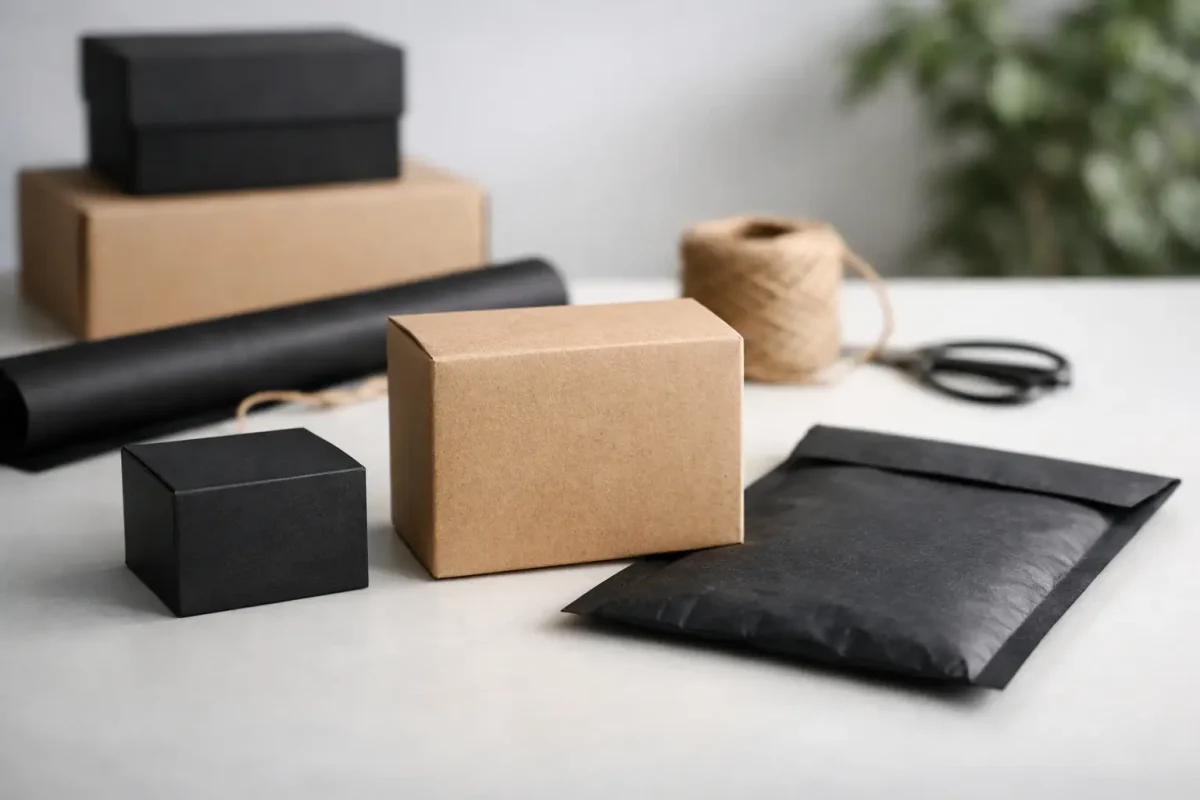
The best stealth packaging usually looks almost forgettable from the outside. Plain mailers, neutral boxes, standard labels, and no product language printed where it doesn’t belong. If it blends in with everyday ecommerce shipments, that’s a good sign.
Inside the package, things get more technical. Odor-resistant layers matter. Vacuum sealing can matter depending on the product. Cushioning matters for cartridges, glass containers, and brittle edibles. The internal layout matters too. If items are packed loosely, they shift in transit, and that raises the chance of damage.
A solid setup often uses multiple layers for a reason. One layer may be for odor control, another for impact protection, and another for keeping the order compact and neat. Buyers don’t always see that before ordering, but they definitely notice it when the package arrives in good shape and doesn’t announce itself.
What stealth packaging does not guarantee
This is where people need to stay realistic. Stealth packaging lowers attention. It does not create magic. It doesn’t guarantee zero risk, instant delivery, or a perfect outcome every time. Transit issues, handling delays, weather, sorting errors, and carrier mistakes can still happen.
It also doesn’t mean every shipment will look exactly the same. Packaging methods can change based on product type, order size, destination, or inventory on hand. A single cart order may not be packed the same way as a larger order with flower, edibles, and accessories. Different products need different levels of protection.
So if you’re reading a guide to stealth packaging hoping for a one-size-fits-all answer, that’s not how this works. The better question is whether the seller has a clear process for discretion, consistency, and issue handling when something goes sideways.
Stealth packaging vs. cheap packaging
These two get confused all the time. Plain packaging is not automatically stealth packaging. Cheap packaging is just low effort. Real stealth packaging is intentional.
Cheap packaging can still smell, tear, crush, or expose contents if the outer layer gets damaged. It may look neutral at first glance, but if the inside is sloppy, it fails where it counts. That’s why buyers shouldn’t only ask whether packaging is discreet. They should care whether it’s discreet and secure.
There’s always a balance here. Overpacking can make a shipment bulky and weird. Underpacking can make it fragile and obvious. The right move is controlled, practical packaging that protects the order without making the parcel look unusual.
How product type changes the packaging strategy
Not every order needs the same setup. Flower usually gets the most attention because odor control matters more. Concentrates may need tighter seals and extra protection against leaks or pressure changes. Carts and disposables need cushioning so they don’t crack or get damaged in transit. Edibles may need protection against crushing or heat depending on the format.
That means stealth packaging is not just about discretion. It’s also about understanding the product category. Sellers who move a wide range of inventory should know that the same method won’t make sense for every shipment.
Large orders can be trickier too. More items mean more movement, more weight, and more chances for the package to shift around. That’s where organization inside the box really matters. A clean pack job says a lot about whether a business takes fulfillment seriously.
What buyers should look for before ordering
You usually won’t get a detailed packaging blueprint before checkout, and that makes sense. But there are still a few things buyers can pay attention to.
First, look at how the seller talks about privacy. If stealth packaging is mentioned as a real service point instead of an empty buzzword, that’s a better sign. Second, pay attention to whether the business also talks about shipping protection, replacement policies, or support if a package has issues. Discretion means more when it’s backed by follow-through.
Third, think about the order itself. If you’re buying fragile items, high-value products, or a larger bundle, packaging quality matters even more. A good seller should be built for that, not treating every order like the same throwaway shipment.
For buyers who care about privacy from payment to delivery, the full process matters. That’s part of why brands like Florida Gas Packs put so much emphasis on discreet fulfillment. It’s not just about what you buy. It’s about how the order gets to you without unnecessary noise.
Common mistakes people make about stealth packaging
One mistake is assuming discreet shipping means slow shipping. Sometimes extra care in packing adds a little handling time, but that doesn’t automatically mean delays. A good operation can move fast and still pack correctly.
Another mistake is expecting packaging to fix bad ordering habits. If someone enters the wrong address, uses a location with poor package security, or ignores tracking updates, stealth packaging can only do so much. Privacy starts with the seller, but it also depends on the buyer making smart delivery choices.
Some people also think the more complicated the package, the better. Not true. Overly strange boxing, too much tape, or awkward sizing can attract attention instead of reducing it. The best stealth packaging usually wins by looking normal.
The real value of a guide to stealth packaging
At the end of the day, buyers want three things – privacy, product protection, and fewer headaches. That’s the real value behind any honest guide to stealth packaging. It helps you understand what discreet shipping should actually do, what it can’t promise, and why good fulfillment is worth paying attention to before you place an order.
If a seller treats packaging like an afterthought, that usually shows up somewhere else too. If they treat it like part of the service, you’ll feel the difference when your order lands clean, quiet, and exactly how it should.
